
Where should a porta potty go on a job site or in a yard?
Pick level ground first. A standard unit runs about 44 by 48 inches on the ground and stands roughly 92 inches tall, so give it a footprint clear of low branches and soft soil. Slope matters more than people think: water pooling under a unit turns it into a mud pit within a week. Keep it 5 to 10 feet from windows and doors if the site allows, and away from storm drains. For construction sites, construction site services crews should stage units near the break area but clear of material staging, since dumpster placement permit rules in Allentown often require the same clearance zones for both. If you are placing multiple units, walk the porta potty rental checklist before delivery day, not after the truck shows up.
What are the access and clearance rules?
Service trucks need room to maneuver, and roll-off deliveries need about 60 feet of straight clearance behind the truck. Porta potty servicing needs less room, but the truck still has to back in without hitting fencing, parked cars, or a temporary fence rental line. If you are running temporary power pole or light tower rental equipment nearby, keep cords and cables out of the walking path entirely. ADA Standards 405.2 caps ramp slope at 1:12, so if a unit sits above grade, the approach has to respect that ratio or the accessible unit fails inspection before anyone uses it. Door swing matters too: ADA Standards 404.2.3 sets a 32 inch minimum clear opening, and units placed too close together block that swing. For events, check the porta potty placement guide against your venue map early, since Allentown venues often restrict where trucks can idle during load-in.
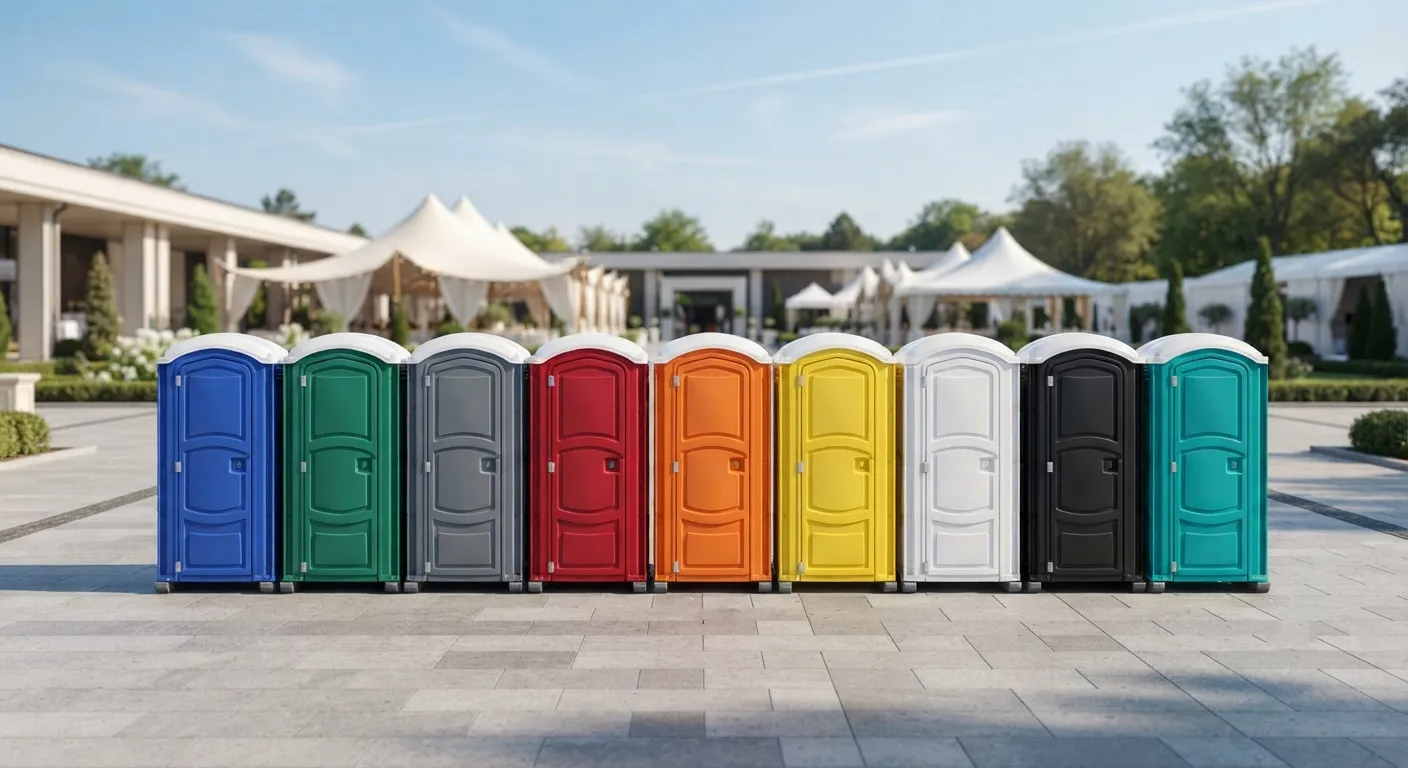
How many units and how far apart should they be placed?
Spacing depends on headcount and layout, not guesswork. OSHA 1926.51(c) sets construction ratios at one toilet for 20 workers or fewer, then one seat and one urinal per 40 workers as crews grow past that, and per 50 once a site hits 200 workers. If you are unsure how many units that translates to on your footprint, how many porta potties do I need walks through the math with headcount and shift length. ADA Standards 213.2 requires at least 5 percent of a cluster to be accessible, never fewer than one, so a bank of eight standard units needs an ADA accessible porta potty mixed in. Space units 3 to 4 feet apart minimum so doors open fully and the service tech can move the vacuum hose without snaking it around a neighbor unit. For weddings and festivals, group units near parking rather than the ceremony line of sight; wedding restroom rental and festival restroom rental both get more placement flexibility once tent layout is set.
Do porta potties need a permit for placement in Allentown?
Placement in the public right of way, on a sidewalk, or in a street lane needs confirming with the City of Allentown before delivery. Permit rules vary by location and by how long the unit sits there, and we have not verified a specific fee or code for porta potty placement, so ask your Allentown contact directly rather than assuming a private-lot rule applies to street frontage. The same caution applies to dumpster permit requirements and general porta potty permit requirements: a dumpster placement permit cost and process is a separate city question from toilet placement, even when both sit on the same job site. If you are working within Allentown proper versus 5.5 miles northwest in South Whitehall or 7.3 miles east in Bethlehem, permit contacts differ by municipality, so do not carry an approval from one town into another.
| Placement factor | Standard unit | ADA unit |
|---|---|---|
| Footprint | 44 x 48 in | Larger pad for turning space |
| Door clearance | 32 in min (ADA 404.2.3) | 32 in min |
| Turning circle | Not required | 60 in (ADA 304.3.1) |
| Surface | Stable, firm, slip resistant (ADA 302.1) | Same standard |
| Path width | 36 in (ADA 403.5.1) | 36 in |
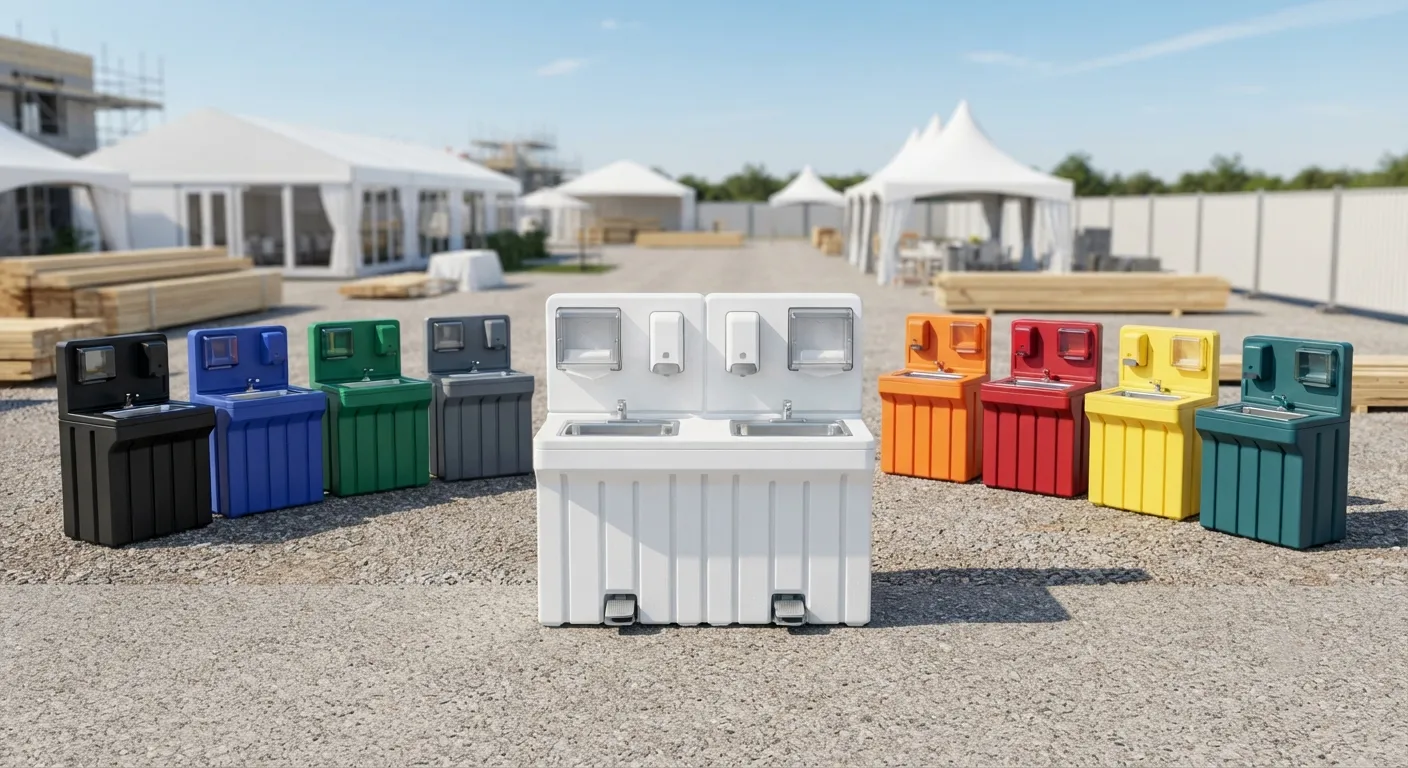
Related equipment often shares the same placement headaches. A portable sink rental or handwashing station rental needs the same flat pad and drainage planning, and if you are running an Ozark River unit, replacement parts availability matters less than getting the drain line pitched correctly on day one. Storage on site brings its own footprint questions too: a 20ft storage container or mobile office trailer rental needs a compacted pad, and mobile office trailer replacement doors are a maintenance issue worth flagging at delivery, not mid-project. Septic work follows different logic entirely. A residential septic tank is typically pumped every 3 to 5 years depending on tank size and household size, and septic pumping service trucks need the same access clearance as a roll-off, just with a different hose reach. If your placement question is really about pumping frequency rather than truck access, how often to pump a septic tank covers that separately from a service like Placerville septic pumping, which is a different market entirely.
Allentown Porta Pros plans placement before the truck loads, because moving a unit after setup costs more than getting it right once. Delivery windows tighten around weather too, so review porta potty in winter placement if you are planning a cold-weather job in Allentown.
How far from a building should a porta potty sit?
Five to ten feet from doors and windows is a reasonable working distance, though it is not a fixed code number. Keep the unit off any accessible route required by ADA Standards 403.5.1, and never block a required exit path.
Can a porta potty be placed on a public street in Allentown?
Only with confirmation from the city first. Right-of-way placement rules are not something to guess at, and enforcement varies by street and by duration, so call before you schedule delivery in Allentown.
What surface does a porta potty need?
A stable, firm, slip-resistant surface per ADA Standards 302.1, ideally compacted gravel, asphalt, or concrete. Grass works short-term but turns soft after rain, which tips units and slows service trucks.
How much clearance does the service truck need?
Roughly the same maneuvering room as a roll-off delivery, which needs about 60 feet of straight clearance behind the truck. Tighter urban lots in Allentown sometimes require a smaller service vehicle instead.
Do accessible units need extra space?
Yes. ADA Standards 304.3.1 requires a 60 inch turning circle inside or adjacent to the unit, more room than a standard 44 by 48 inch footprint needs, so plan the pad size accordingly before delivery.
Next step
Get a delivery date
Tell us the address, the dates and the headcount. We size the order and confirm the route.