Do you need a permit for a porta potty in Allentown?
Short answer: it depends on the ground under it. A unit set on a driveway, yard or fenced construction lot on private property generally does not trigger a city permit. Move that same unit onto a public street, curb lane or sidewalk, and you are now in right-of-way territory, which is a different conversation with the city. This is true whether you're renting a standard porta potty, an ADA accessible porta potty, or a full restroom trailer rental. We have not verified a specific Allentown ordinance number for right-of-way placement, so confirm current requirements with the city before you commit to a curbside spot. This isn't unique to porta potties, either. A permit for a dumpster on street placement in Allentown follows the same logic as a portable toilet: private lot, usually fine; public street, check first. The same question comes up constantly around a roll-off dumpster rental in Delaware or a Jersey City dumpster permit, because most municipalities draw this line the same way, even though the paperwork differs city to city. If your project also needs a roll-off dumpster rental, review dumpster permit requirements at the same time you sort out toilet placement, since both often hinge on the same curb-versus-lot distinction.
Where can you legally place a porta potty on a job site?
Placement rules are less about permits and more about access and safety once the unit is on private ground. OSHA 1926.51(c) sets toilet counts for construction sites: one facility for 20 workers or fewer, then one toilet seat and one urinal per 40 workers as the crew grows past that, scaling again at 200 or more. That standard drives how many units you need, not where they sit, but placement still has real constraints. ADA Standards section 403.5.1 calls for a 36 inch clear route to any accessible unit, and section 213.2 says at least 5 percent of a cluster, never fewer than one, has to be ADA-compliant. A standard unit runs about 44 by 48 inches on the ground and stands roughly 92 inches tall, so give it room to service. If a truck needs to reach it, plan on close to 60 feet of straight clearance behind the vehicle for tank pumping or swap-outs. Our porta potty placement guide covers ground stability and access lanes in more detail, and the how many porta potties do I need page walks through the OSHA math for larger crews.

What are the general porta potty rules and regulations?
Rules split into two buckets: federal workplace standards and local placement rules. OSHA 1926.51(a)(1) requires an adequate supply of potable water at all workplaces, and 1926.51(c) sets the toilet ratios noted above. For agricultural crews, OSHA 1928.110 requires field sanitation, one facility per 20 hand-labor employees, within a quarter mile walk, which matters for farm and agricultural restrooms around Allentown. None of these federal rules require a city permit by themselves. What triggers a permit is almost always physical placement in a public space, not the number of units or their contents. Delaware porta potty rental customers run into the same split: state and federal sanitation rules apply everywhere, but local right-of-way permitting is a separate, city-specific layer. If you are staging equipment for a build that also needs a temporary power pole, check whether that pole placement needs a temporary power pole permit too, since utility equipment in a right-of-way is usually scrutinized harder than a toilet on a lot. For general project planning, our construction site services page ties permits, fencing and sanitation together.
Where does portable toilet rental in Allentown typically not need a permit?
Private lots, fenced construction sites and residential driveways are the low-friction cases. A porta john rental for a home renovation, a home renovation porta potty on a driveway, or units for a backyard wedding under wedding restroom rental planning rarely need city sign-off, since the ground stays private the whole rental. Events on private venue property, golf courses booking golf tournament restrooms, or a farm hosting a fair under county fair restrooms planning usually fall into this same category. South Whitehall sits 5.5 miles northwest of Allentown and Bethlehem is 7.3 miles east, and both towns draw from similar private-lot logic, though their specific permit processes are their own. The moment a unit needs to sit on a public sidewalk or in a metered parking lane in downtown Allentown, that changes, and confirming with the city becomes the responsible move rather than an optional one. See porta potty rental in Allentown for delivery logistics once placement is settled.
Do I need a permit to put a dumpster on the street?
Usually yes, if the street is public right-of-way. Private driveways and lots typically don't need one. Rules vary by city, so confirm with Allentown before delivery. See dumpster permit requirements for what to check and what cannot go in a dumpster for load restrictions.
How many porta potties does OSHA require per worker?
OSHA 1926.51(c) sets one toilet facility for 20 workers or fewer, then one toilet seat and one urinal per 40 workers as crews grow, dropping to one per 50 at 200-plus workers. Full breakdown on OSHA portable toilet requirements.
Does an ADA porta potty need special placement?
Yes. ADA Standards section 403.5.1 requires a 36 inch clear route, and section 213.2 requires at least 5 percent of a cluster be accessible. See ADA restroom requirements and ADA accessible porta potty for unit specs.
Can I place a porta potty on a public sidewalk without asking?
No. Public sidewalks and streets are right-of-way, and placement there needs confirming with the city first. Private lots and driveways are the safer default. Ask Allentown Porta Pros to check before your delivery date.
Do handwashing stations need their own permit?
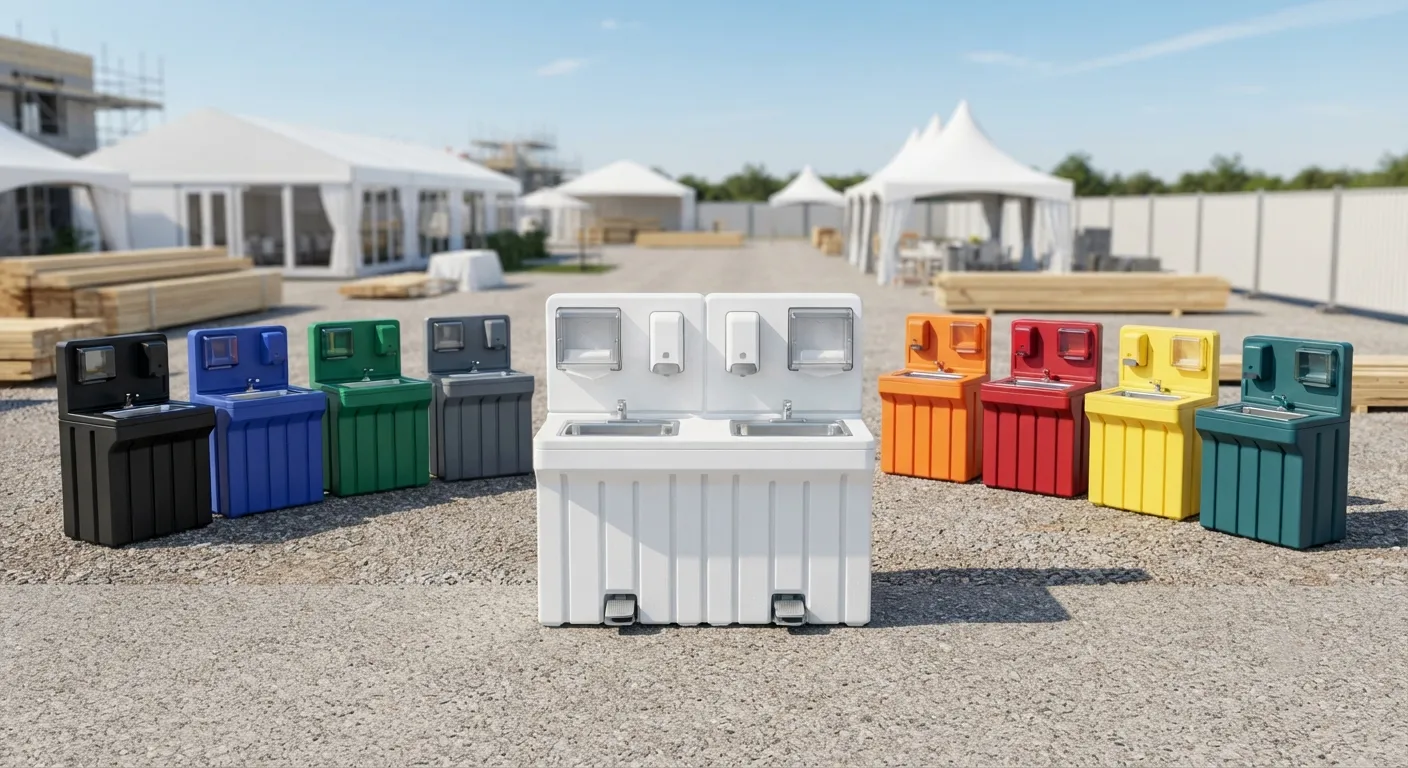
Placement follows the same private-versus-public logic as toilets. 29 CFR 1910.141(d)(2) requires soap and towels, not sanitizer alone, on general worksites. See handwashing station requirements for setup details.
Next step
Get a delivery date
Tell us the address, the dates and the headcount. We size the order and confirm the route.