How Fast Can You Deploy Sanitation After a Disaster?
Speed is the whole point in an emergency response. Once we get a call, we pull from stocked standard porta potty rental units and roll-off trucks to get equipment moving, and most Allentown deliveries can happen same day depending on the scope of the event. A flooded neighborhood or a wind-damaged block of Allentown does not wait for paperwork, so we keep the process short: confirm the site, confirm access, deliver. If a shelter or staging area needs restrooms fast, we treat that request the way we treat any emergency porta potty rental call, meaning it jumps the queue ahead of routine bookings.
Access matters more than people expect. A roll-off delivery needs about 60 feet of straight clearance behind the truck, so downed trees or debris piles can slow things down even after we arrive. That is why our drivers scout the approach before they back in, especially in areas near Bethlehem, 7.3 miles east of Allentown, where flood response has stretched crews thin in past events. We also bring handwashing station rental units alongside toilets, because disaster response almost always means displaced water service, not just displaced people. For sites without safe drinking water, OSHA 1926.51(a)(1) requires an adequate supply of potable water at any place of employment, and that rule does not pause for a disaster.
What Sanitation Equipment Works Best for Emergency Response?
Standard units, holding tanks and portable sinks form the core of most disaster deployments, and we size the mix to the number of people and the length of the response. A single flooded street might need two or three portable toilet rental units and a handwashing station. A shelter housing dozens of displaced residents needs a different plan entirely, closer to what we build for construction site services on a large job.
For longer displacement, a holding tank rental can supplement plumbing that is still standing but disconnected from the sewer main, which happens often after flood damage in low-lying parts of Allentown near the Lehigh River corridor. If storm debris is part of the cleanup, we pair sanitation with a roll-off dumpster rental sized to the job, whether that is a 20 yard dumpster rental for a single damaged home or a 30 yard dumpster rental for a block-wide cleanup.
Accessibility does not get skipped just because it is an emergency. ADA Standards section 213.2 requires that where single-user portable toilet units are clustered, at least 5 percent, and never fewer than one unit, must be accessible, so any shelter deployment gets at least one ADA accessible porta potty even under time pressure. We also bring temporary fence rental when a site needs to keep foot traffic away from damaged structures or staging equipment, since ANSI D6.1 barricade standards under OSHA 1926.202 still apply to construction-adjacent debris zones even during recovery work.
How Much Does Emergency Sanitation Cost in Allentown?
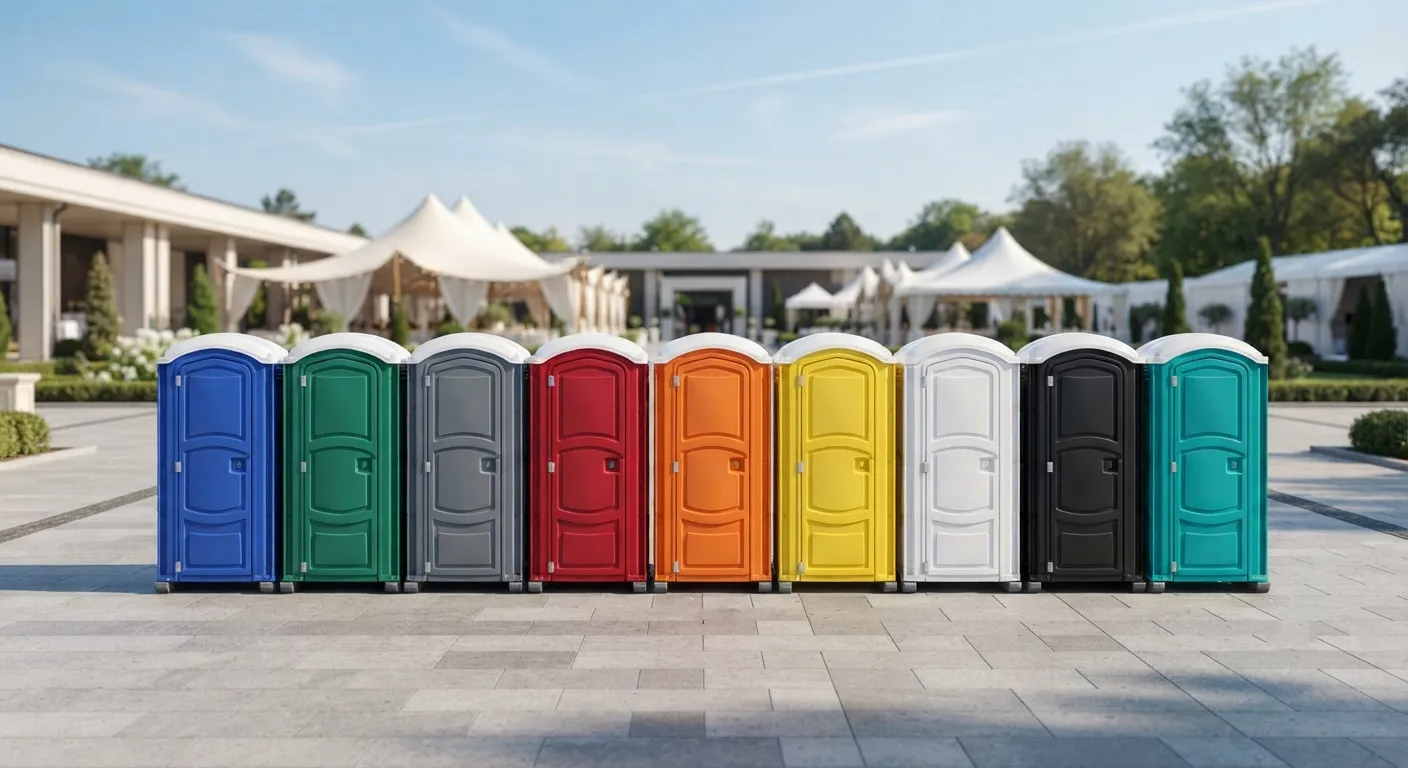
Emergency response pricing depends on how fast you need equipment and how long you need it. A standard unit typically runs between 100 and 350 dollars a day depending on urgency and access, while a full week of service lands higher because of extended servicing needs.
| unit | duration | typical price |
|---|---|---|
| standard unit | day | 150 |
| standard unit | week | 200 |
| ada unit | day | 230 |
| dumpster | weekend | 440 |
| delivery fee | day | 150 |
Rush deliveries during severe weather sometimes carry a higher delivery fee, since crews are often working multiple sites at once across South Whitehall, 5.5 miles northwest of Allentown, and Lower Macungie, 8.9 miles southwest. If your event is more planned than emergency, our porta potty rental cost page breaks down standard, non-disaster pricing in more detail, and monthly porta potty rental rates apply if displacement runs past a few weeks.
How many toilets does a shelter need?
It depends on headcount, but OSHA 1926.51(c)(1) sets a baseline of one toilet for 20 workers or fewer, scaling up from there. Shelters are not construction sites, but that ratio is a reasonable starting point. Our how many porta potties do I need guide walks through the math for larger group counts.
Can you deliver during active flooding or storm conditions?
We deliver as soon as roads and site access are safe for our trucks. A roll-off or restroom delivery needs roughly 60 feet of clear approach, so debris and standing water can delay specific addresses even when the broader Allentown area is accessible.
Do disaster deployments include servicing?
Yes. Emergency units still get serviced on a schedule, and ANSI/PSAI Z4.3 sets a baseline of one visit per week for up to 10 users over a 40 hour period, though heavy shelter use often needs more frequent visits.
What if we need handwashing but no toilets?
That is common right after water service is cut. A portable sink rental or hand sanitizer station rental can deploy alone, and 29 CFR 1910.141(d)(2) requires soap and towels or a hand-drying device at any washing station, not sanitizer alone.
Can you support a multi-site disaster response across the region?
Yes. We regularly coordinate deliveries across Allentown and nearby communities, including Easton, 17.0 miles northeast, and Upper Macungie, 10.2 miles west, using our service areas page as the starting point for multi-site planning.
Next step
Get a delivery date
Tell us the address, the dates and the headcount. We size the order and confirm the route.