How many portable toilets do I need for my project?
The count depends on how many workers or guests you have and how long they'll be there. According to OSHA 1926.51(c), construction sites need 1 toilet facility for 20 workers or fewer; then 1 toilet seat and 1 urinal per 40 workers from 20 up; then 1 toilet seat and 1 urinal per 50 workers at 200 or more. An event in Allentown with 100 guests for four hours needs fewer units than a 40-person construction crew working eight-hour shifts for two weeks. Use our sizing guide to run the math. If you're unsure, call and describe the job; we'll calculate it right.
What's the difference between standard and deluxe portable toilets?
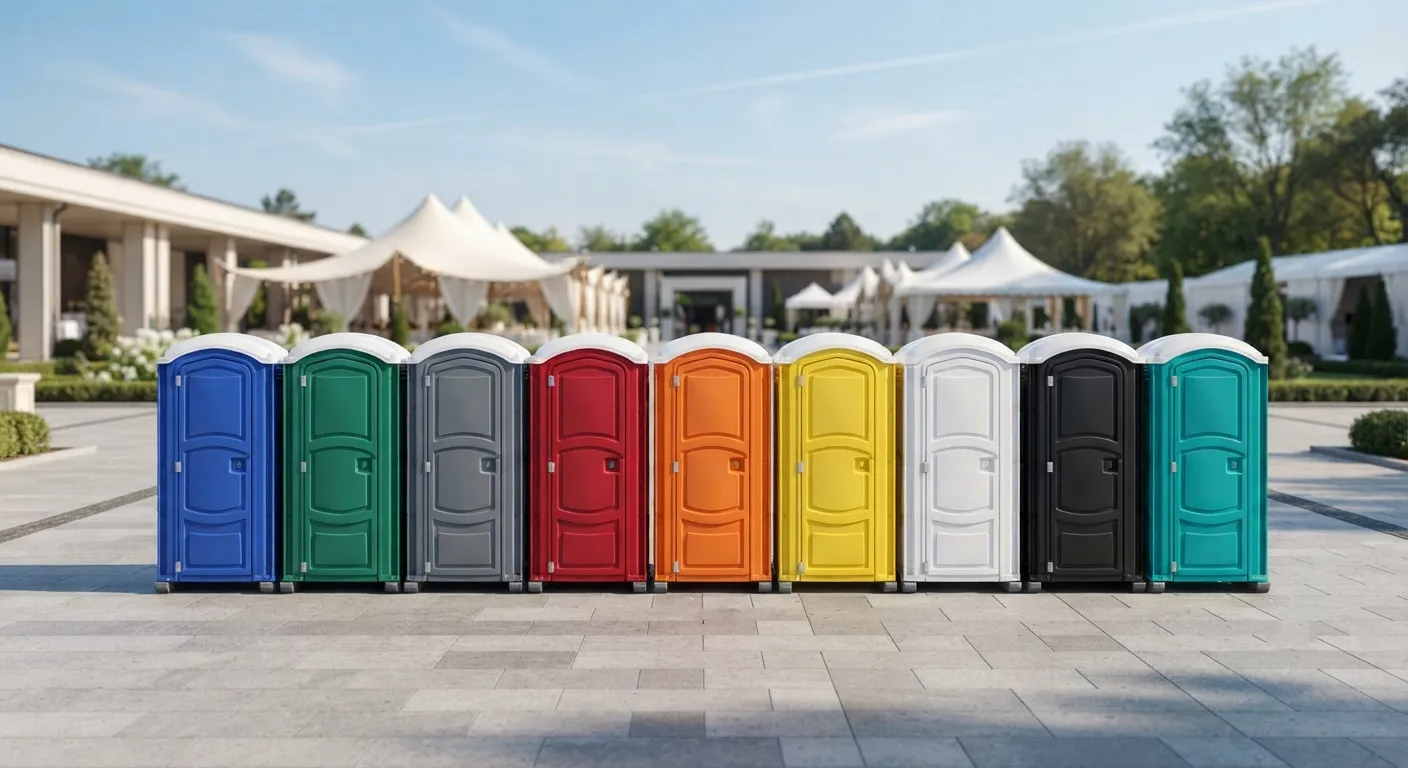
A standard unit holds 60 to 70 gallons and measures about 44 by 48 inches on the ground. It's the backbone of job sites and outdoor events. A deluxe flushable porta potty has a flushing mechanism, a foot pump or automatic soap dispenser, and interior finishing that looks and feels less like a construction site. Deluxe units cost more but run higher on guest satisfaction at weddings and festivals. Both serve the same legal function; the choice is comfort and image.
Do I need an accessible portable toilet?
Yes, if you have guests or workers with mobility challenges. ADA Standards section 213.2 requires that where single-user portable toilet units are clustered, at least 5 percent, and never fewer than one unit, must be accessible. An ADA accessible porta potty has a 36-inch minimum clear width door (per ADA Standards section 404.2.3), a 60-inch diameter turning circle and grab bars. If your Allentown event or job site is open to the public, assume you'll need at least one. Many facilities now carry two or three accessible units as standard practice.
What happens during a service visit?
Service technicians pump out the holding tank, sanitize the interior, restock toilet paper and hand soap, and check for damage. According to ANSI/PSAI Z4.3, one service visit per week for up to 10 users over a 40-hour week is the baseline interval. Heavy use or hot weather can push that to twice weekly. Allentown Porta Pros schedules regular service on a calendar; you tell us your rental start and end date and we handle the rest. Emergency service is available for overflow or damage between scheduled visits.
How much does a septic pumping cost?
Residential septic tanks are typically pumped every 3 to 5 years, driven by tank size and household size. Commercial grease traps pump more often. A single pump-out call in Allentown runs roughly $150 to $300, depending on tank volume and how far the truck has to travel. If you're in South Whitehall (5.5 miles northwest) or Bethlehem (7.3 miles east), travel time is minimal. Get a quote for septic pumping by telling us your tank size and last pump date. We'll confirm the price before the appointment.
What should I rent for a construction site?
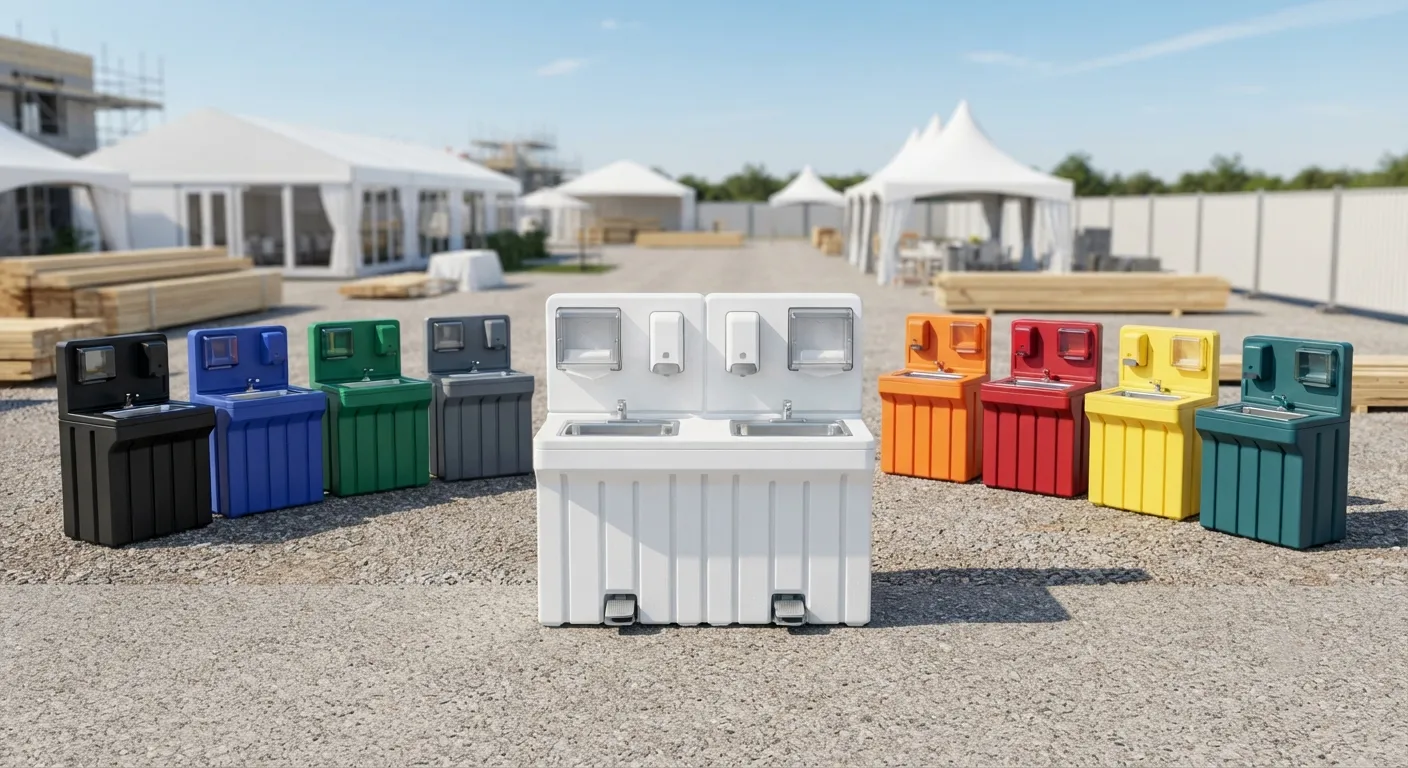
Most job sites start with portable toilets plus a handwashing station. Per OSHA 1926.51(a)(1), potable water and sanitation are required in all places of employment. 29 CFR 1910.141(d)(2) specifies washing facilities with soap and towels or a hand drying device. Add a roll-off dumpster for debris and a storage container if you need secure tool storage. Temporary fencing keeps the site secure and organized. Talk through the site layout with us during the quote call; we'll suggest what works.
Can I rent equipment for just one day?
Yes. We offer daily, weekend, weekly and monthly rates. Daily porta potty rental covers 24 hours. Weekend rates apply Friday evening through Monday morning. Longer rentals (weekly and monthly) have lower per-day costs, so a one-week rental is cheaper than seven daily rentals. Most customers in Allentown find that a week-long project pencils out better with a weekly rate than day-to-day bookings.
What equipment do I need for an outdoor event?
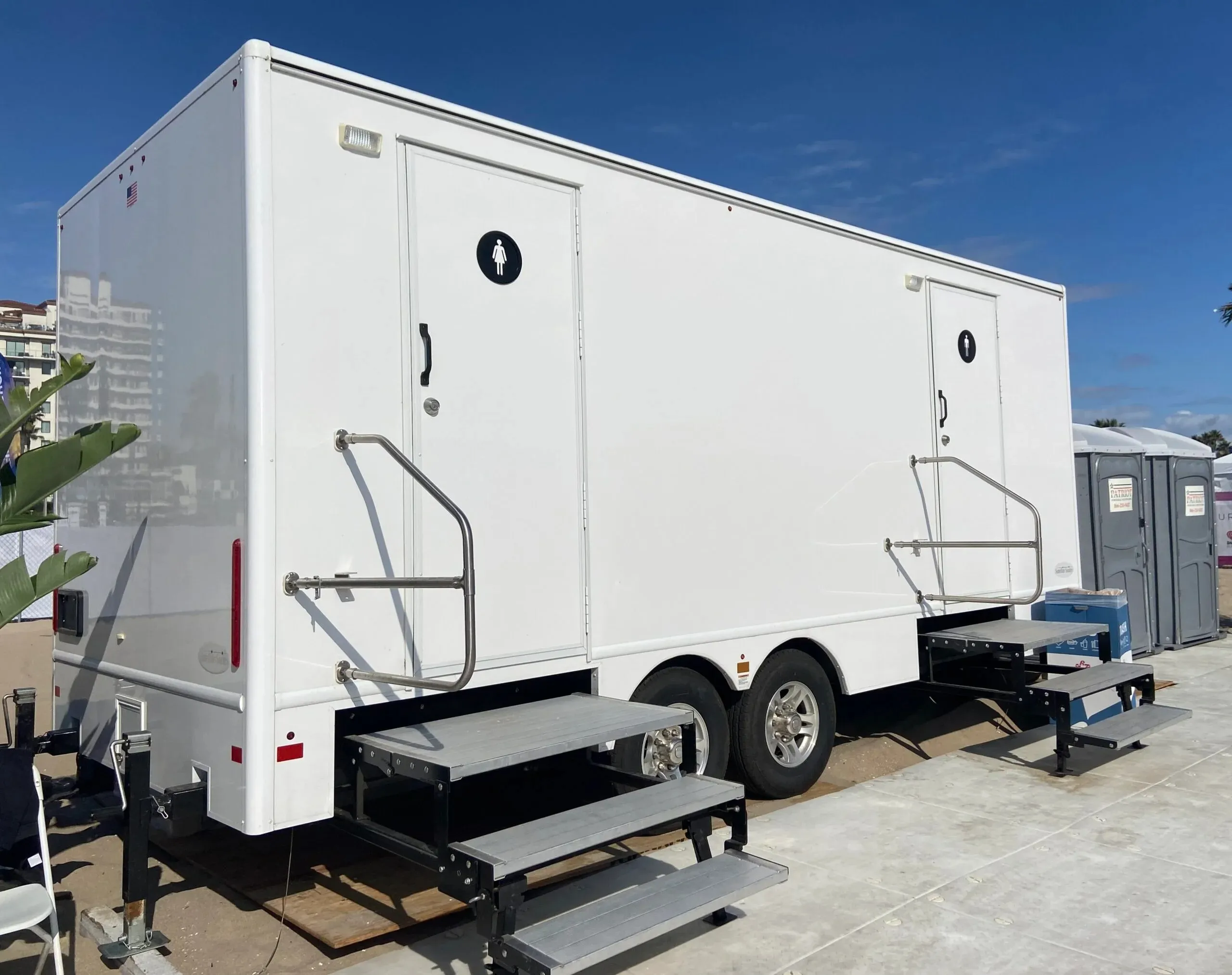
Event restroom rental usually means portable toilets, handwashing stations, and sometimes a restroom trailer if you expect high traffic. Weddings often add a deluxe unit or trailer for appearance and comfort. Music festivals and county fairs typically use standard units with frequent service. Tell us the guest count, expected duration, and how formal the setting is. We'll propose a layout and equipment mix that keeps lines short and guests happy.
What can't go in a dumpster?
Hazardous materials like batteries, paint, motor oil, propane tanks and asbestos cannot be landfilled. Heavy materials like concrete, dirt and broken stone often exceed weight limits. Read what cannot go in a dumpster for the full list. Most construction debris, cardboard, wood and metal are fine. When in doubt, ask before you toss. Overfill fees and contamination charges are expensive; a quick call saves money.
How do I know if my septic tank needs pumping?
Slow drains, gurgling sounds, sewage backups or wet patches in the yard mean your tank is full or failing. Septic tank warning signs cover the whole list. If you're past the typical 3 to 5 year window or you've never pumped it, call for a service inspection. We pump tanks in Allentown and nearby areas like Lower Macungie (8.9 miles southwest) and Upper Macungie (10.2 miles west). A preventive pump costs less than an emergency repair.
Next step
Get a delivery date
Tell us the address, the dates and the headcount. We size the order and confirm the route.